

 Signal Conditioning
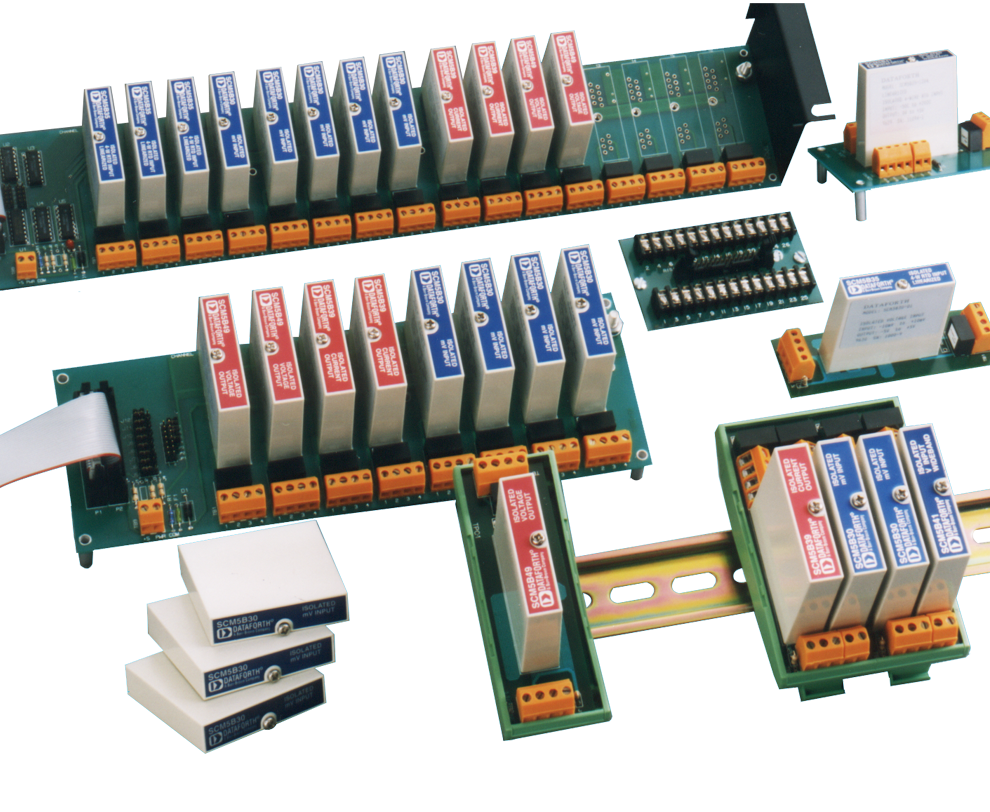
 Data Acquisition & Control
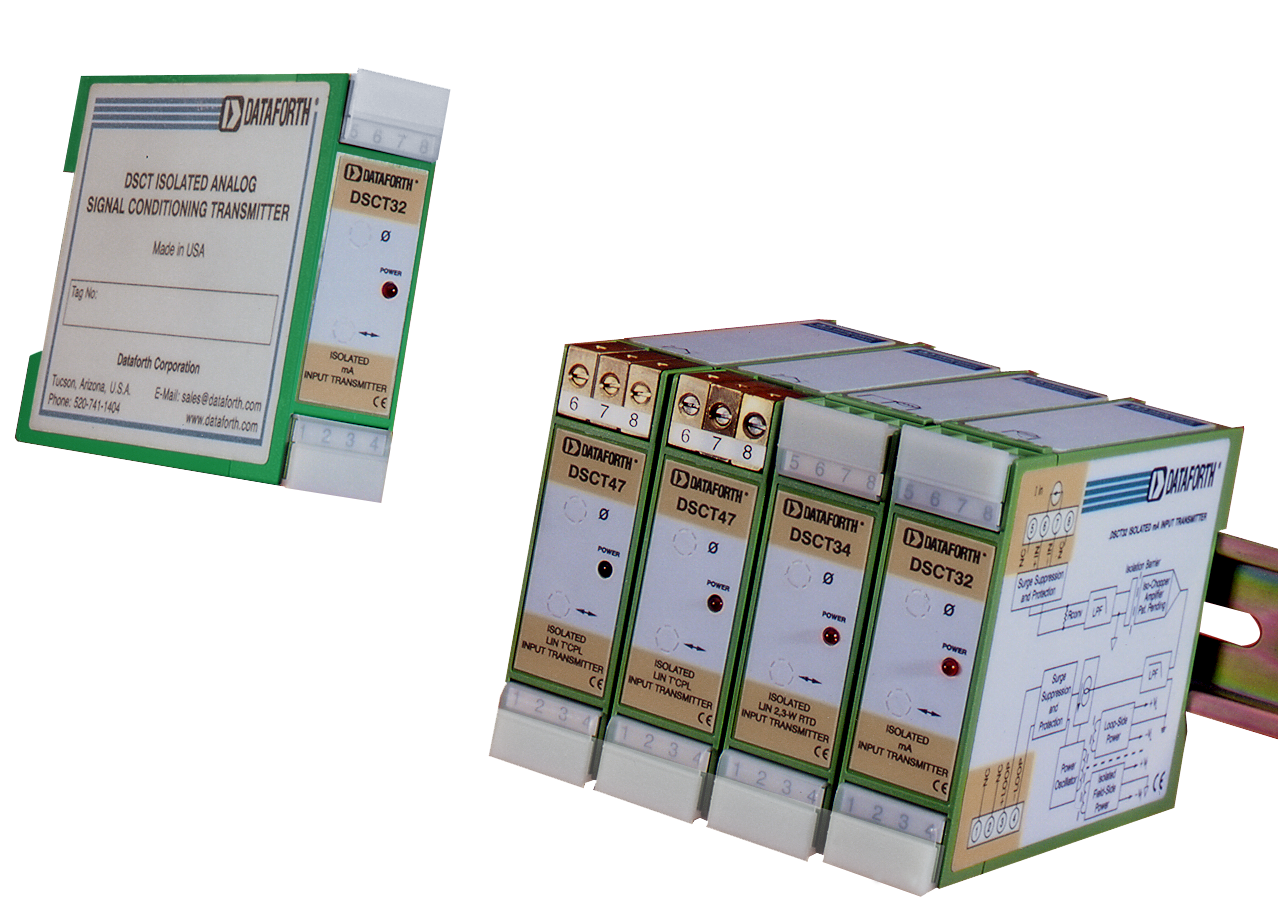
 4-20mA Transmitters
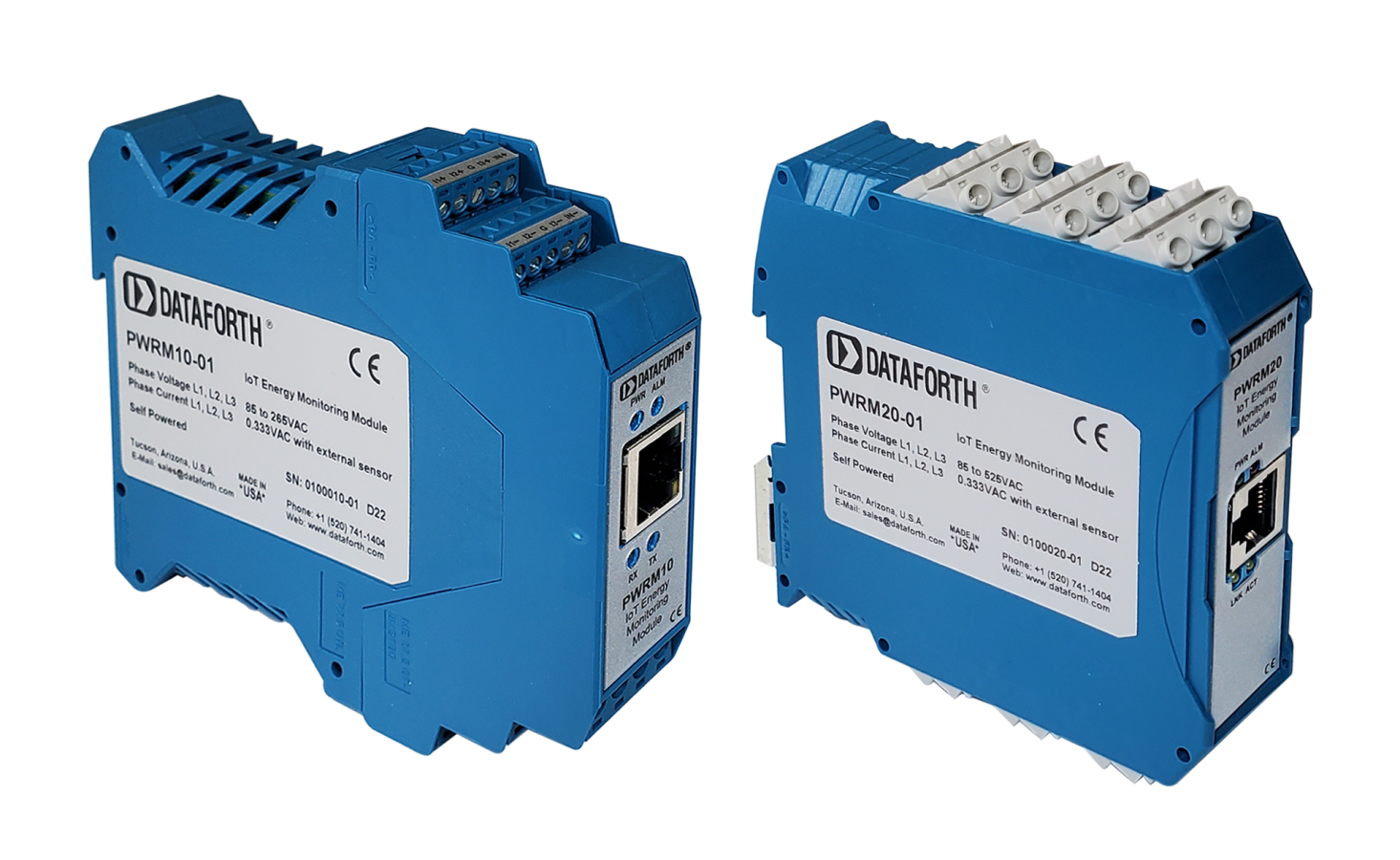
 IoT Power & Energy Monitoring
 Data Communications
 Power Supplies
 Software
10D-RTD3-1H1-01
Linearized 3-Wire RTD Input, Analog-Sensor-to-Digital Signal Conditioner
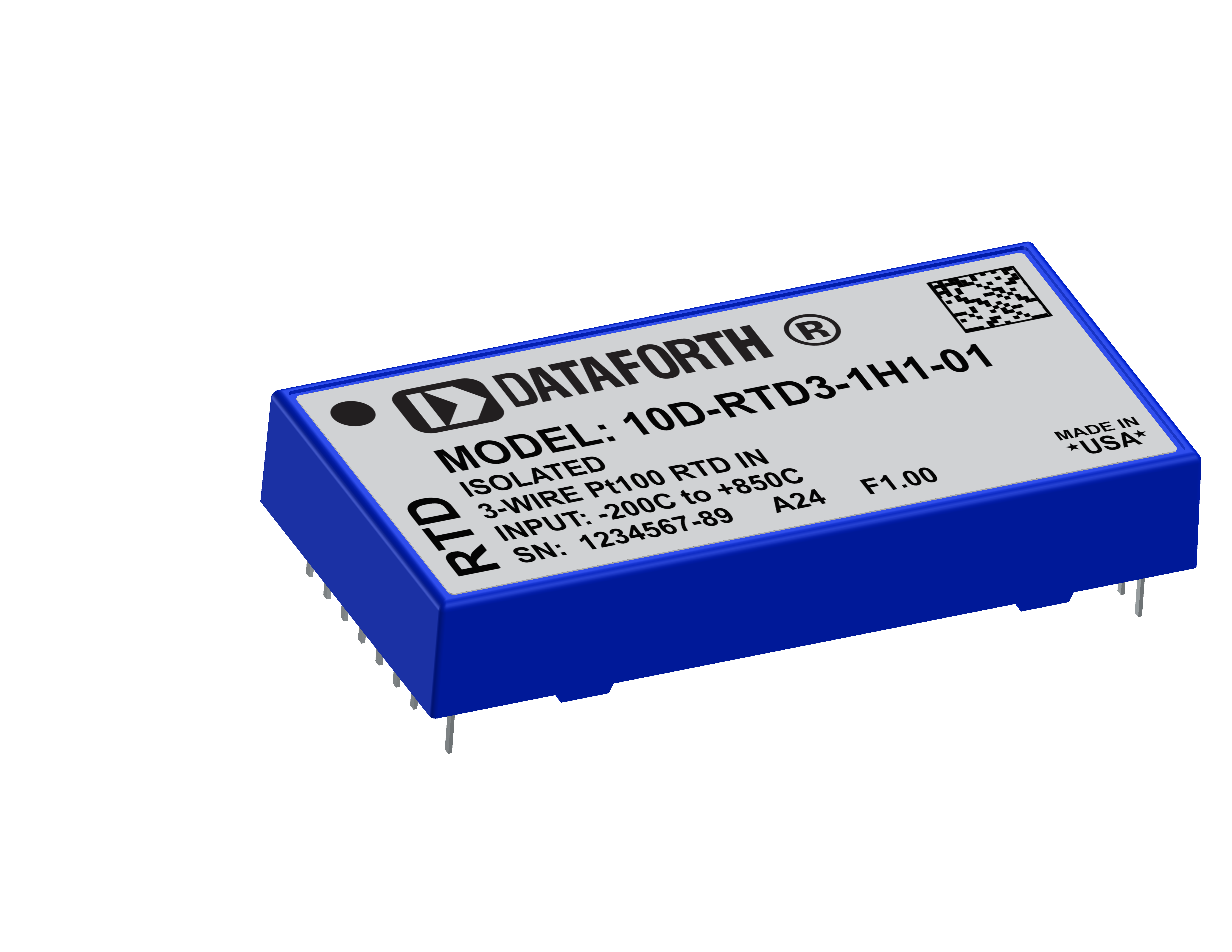
10D-RTD3-1H1-01
Linearized 3-Wire RTD Input, Analog-Sensor-to-Digital Signal Conditioner
PRELIMINARY
Description
10D-RTD3 linearized temperature input modules are designed to interface with 3-wire Pt100 sensors used in industrial, test, and measurement applications.
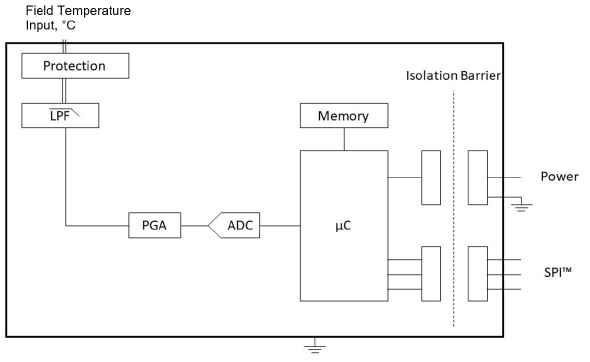
Each module provides a single channel of temperature input that is filtered, isolated, amplified, and converted into 24-bit digital data for precise measurement of temperature signals.
RTD excitation is provided by the module using a precision current source. Excitation current does not flow in the input signal leads, which allows RTD measurements to be made independently of lead resistance. Low excitation current (250μA) minimizes self-heating of the RTD, further reducing measurement errors.
Discrete output pins can be mapped to configurable low and high alarms to provide essential monitoring and warning functions to ensure optimum process flow and fail-safe operation.
Input-to-digital isolation is rated at a robust 1500Vrms and all field-side inputs are protected against accidental power-line connections up to 240Vrms. These features safeguard measurement and control equipment from the harmful effects of signal noise, transient surges, ground loops, and other industrial hazards.
Over-range and under-range up to 10% beyond specified input values are supported with accuracy guaranteed to ±full-scale. All 10D modules are housed in rugged thermoplastic packages and are specified to operate over the industrial temperature range of –40°C to +85°C.
BENEFITS
- Small Footprint
- Simplifies Sensor Interface and Signal Conditioning Design
- Reduces System BOM
- Provides Isolation of External Sensors
- Protects Sensitive System Components
- Breaks Ground Loops
- Reduces EMC Concerns
APPLICATIONS
- Signal Conditioning
- Industrial Process Control
- Signal Isolation
- Test and Measurement
- Signal Filtering
- System and Signal Monitoring
Features
- Interface to 100Ω Platinum RTDs
- 1 Input Channel
- Configurable for Alarms and Averaging
- Linearizes RTD Signals
- 1500Vrms Input-to-Digital Isolation
- Input Protected up to 240Vrms
- CE Compliant
- 24-Bit Resolution
- Operating Temperature: –40°C to +85°C
Block Diagram
Documents
10D Module 3-D CAD Models
Certifications

Specifications
- Supply Voltage 3 to 5.25 VDC
- Input Configuration 3 Wire
- RTD Type 100 Ohm Platinum
- Input Range -200 to 850 (°C)
- Output Range SPI
- Mechanical Format Modular plug-in-board
- Isolation Voltage 1500 Vrms
- Isolation Type Input-to-Digital
- Accuracy ±0.030% span
- Module Bandwidth 3 Hz
- Dimensions 0.35 x 2.00 x 1.00 inches
- Interface SPI
Competitive Cross-Reference
- No cross reference is available.
This information is provided only as a convenience on an "as is" basis and Dataforth Corp. or its representatives or distributors are not responsible for any incorrect, inaccurate, or incomplete information. You are solely responsible for (1) selecting the appropriate Dataforth products for your application, (2) designing, validating and testing your application, and (3) ensuring your application meets applicable standards, and any other safety, security, or other requirements.
FAQ
